


Introduction:
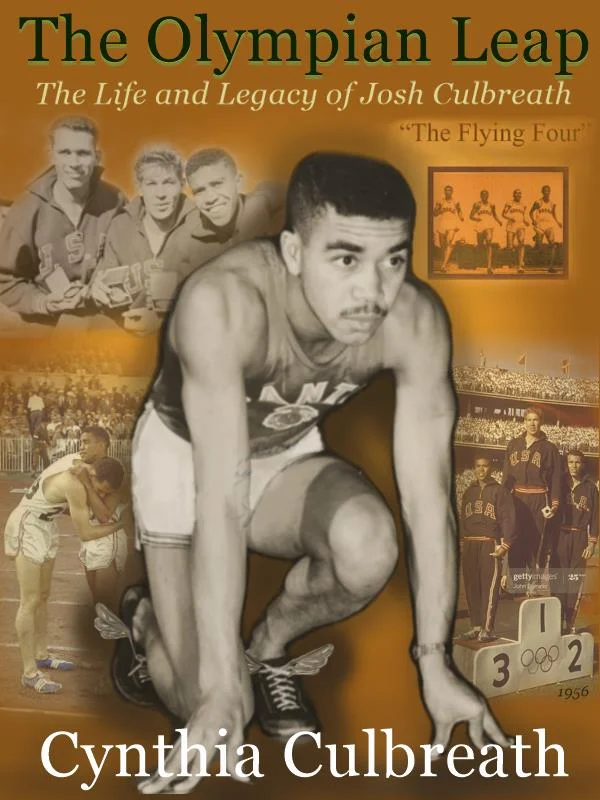
Amid a deeply segregated America in the 1950s, where racial tensions ran high and civil rights movements were yet to make headlines, emerged a figure whose life story would echo the triumph of the human spirit. Josh Culbreath, a name not as widely recognized as some, but a man whose resilience and determination paved the way for a legacy that transcends the
realms of athletics. This is the story of the Martin Luther King of athletics, a man who didn’t march with him but was undeniably a champion for human rights – an Olympian with a tale that resonates even with the youngest of minds.
A Beacon of Encouragement:
“I want to cite examples of encouragement to these young kids,” Josh passionately declares. His life story serves as a testament to the idea that obstacles are merely steppingstones to greatness. Culbreath doesn’t just share tales of victories on the track; he shares the victories over prejudice, discrimination, and self-doubt. His words resonate with the power of resilience and the unwavering belief that every setback is an opportunity for a comeback.
The Martin Luther King of Athletics:
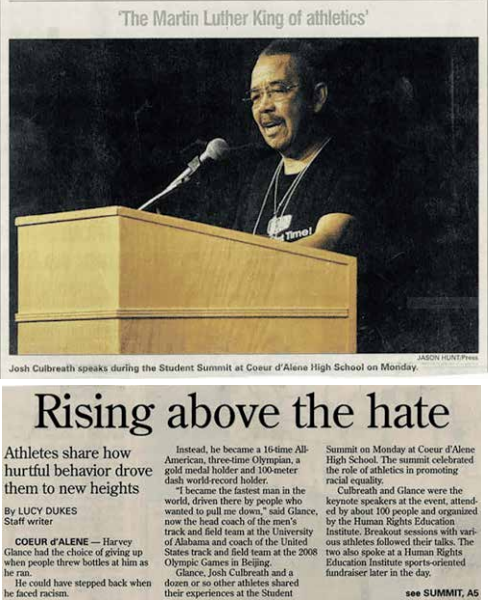
The label might be unofficial, but Josh Culbreath is often hailed as the Martin Luther King of athletics. His response to this accolade speaks volumes about his character: “I was dealing with human rights, and he was dealing with civil rights.” Culbreath’s perspective expands the narrative beyond the track. His life’s mission goes beyond winning races; it’s about dismantling the barriers that keep people apart, promoting equality, and fostering understanding.
“It’s About Time!”:
In 2008, the Human Rights Education Institute in Coeur d’Alene brought together high school students to witness Culbreath’s story firsthand. A summit titled “It’s About Time!” on Martin Luther King Day aimed to underscore the pivotal role athletics play in promoting racial equality. Josh Culbreath, alongside luminaries like the late Harvey Glance, exemplified the transformative power of sports in breaking down societal barriers.
Living Together in Harmony:
“I want people to know that we can live together in harmony,” Culbreath affirms. His life’s work is a testament to this vision. He emphasizes the importance of unity, understanding, and empathy – values that extend far beyond the realms of track and field. Culbreath’s journey becomes a beacon of hope for the younger generation, a reminder that diversity is our strength, and together, we can overcome any hurdle.
Conclusion:
Josh Culbreath’s story is not just a page in the history of athletics; it’s a manual for living a life of purpose, resilience, and compassion. As young kids, track and field athletes, and enthusiasts absorb the echoes of Culbreath’s life, they inherit not just a sporting legacy but a roadmap for breaking down barriers, promoting human rights, and living together in harmony. The journey of the Martin Luther King of athletics continues to inspire, urging us all to take strides towards a world where the race is not just won on the track but in the collective pursuit of understanding and unity.